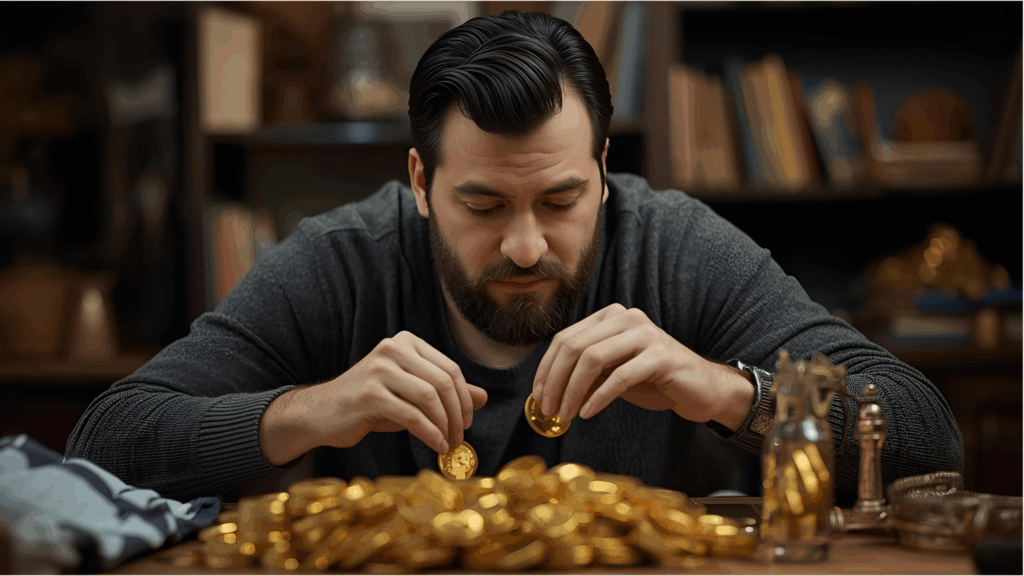
The allure of gold—its beauty, permanence, and intrinsic value—has secured its place in human history as both a decorative commodity and a primary store of wealth. For the modern investor, gold is an asset class that transcends jewelry boxes, acting as a crucial diversifier and hedge against economic volatility. Understanding gold not merely as a possession but as a financial asset moving through a predictable lifecycle—from acquisition to strategic disposition—is essential for maximizing its profit potential. This comprehensive lifecycle approach, which balances investment strategy with efficient liquidation practices, is the true key to building and preserving gold wealth.

1. Acquisition: Initial Investment Strategy
The first stage, Acquisition, requires a clear distinction between forms of ownership. True gold investment typically involves bullion, such as bars or standardized coins, which are priced based almost entirely on the metal’s weight and purity. Investors buy gold to hedge against inflation and currency devaluation, choosing physical gold for its security or exchange-traded funds (ETFs) for greater liquidity and ease of trading. The primary strategic consideration at this stage is avoiding high markups, or premiums, which can erode future profits. A smart investor seeks the lowest possible premium above the current global spot price to ensure their capital is directed toward the metal itself, not dealer profit.

2. Holding and Revaluation: The Period of Passive Appreciation
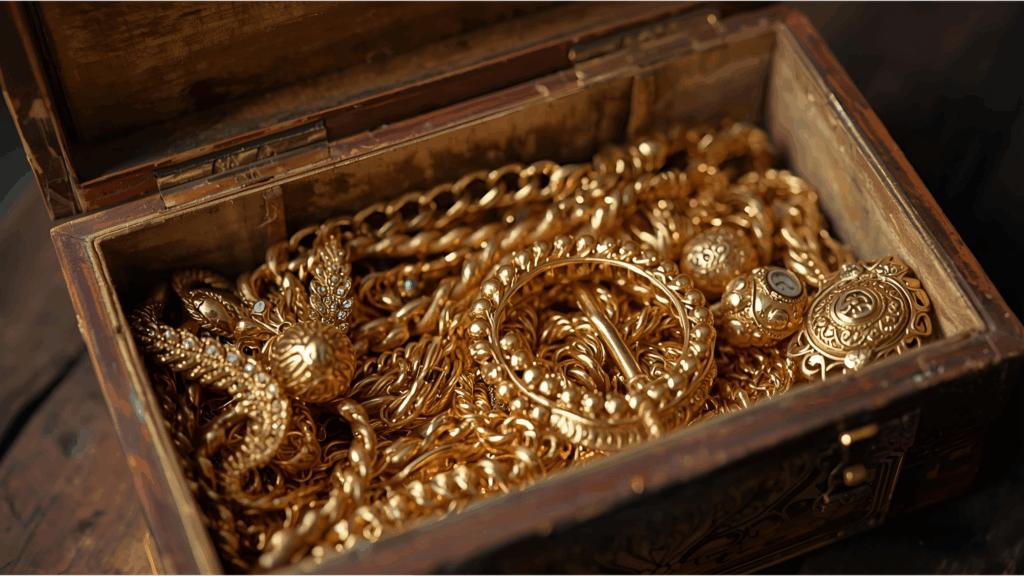
Once acquired, the Holding and Revaluation stage is defined by patience and strategic foresight. Gold is primarily a non-yielding asset; it doesn’t pay interest or dividends. Its value is unlocked by appreciation during periods of economic uncertainty, making the timing of a sale more important than the duration of the hold. Crucially, this stage demands an accurate revaluation of the asset, especially if it exists as unwanted jewelry or scrap. The value of jewelry is a complex combination of gold content, craftsmanship, and brand. However, when selling it as scrap, all value derived from design and artistry vanishes. The asset is re-classified purely on its melt value, which is determined solely by weight and the percentage of pure gold present, known as the karat.
3. Disposition: Maximizing Melt Value Profit
The final and most profit-sensitive stage is Disposition, or selling. To maximize the return from unwanted jewelry or scrap, the seller must approach the transaction like an expert commodity broker. The first step is to accurately calculate the material’s melt value by identifying the purity (e.g., 14K gold is $58.3% pure) and weighing it precisely in grams or troy ounces. Next, the seller must shop around and compare multiple quotes against the daily spot price. While local jewelers offer convenience, they often act as middlemen and take a significant commission. Selling directly to a precious metals refinery or a high-volume dealer typically offers the highest payout, sometimes exceeding $90% of the melt value, as it cuts out the intermediary fees and charges. By understanding these market mechanics, the seller moves beyond accepting the first offer and actively negotiates for the maximum possible return.

In summary, the lifecycle of gold wealth is not passive. It begins with the careful acquisition of bullion or the incidental inheritance of jewelry, progresses through a necessary revaluation period, and culminates in a profit-maximizing disposition. An informed strategy at each of these three phases—understanding the spot price, distinguishing purity from craftsmanship, and selecting the most efficient buyer—is what successfully transforms gold from a static metal into a truly dynamic and valuable financial instrument.